
How to Identify Japanese Knotweed in London Gardens
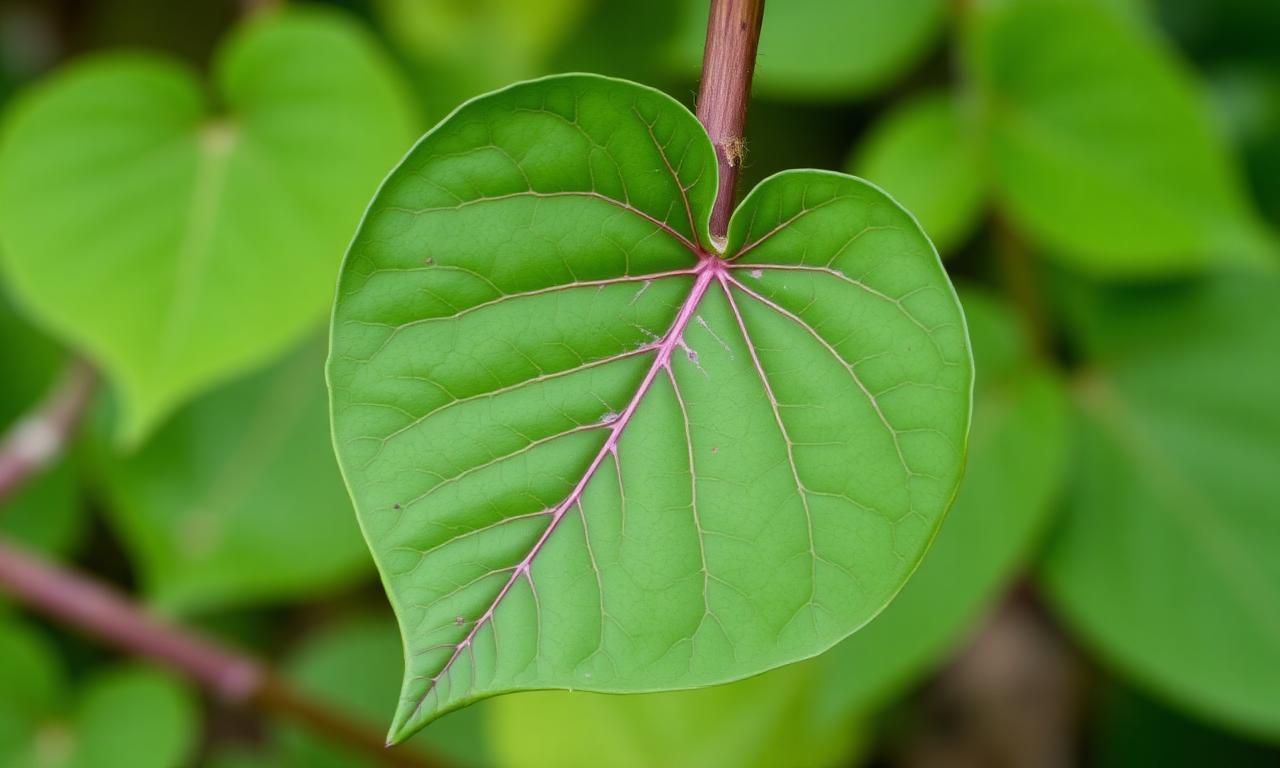
Every spring, thousands of London homeowners notice red-tinged shoots pushing up through their lawn or patio and quietly hope they are looking at something harmless. Most of the time they are. But when those shoots turn out to be Japanese knotweed, the cost of inaction climbs sharply with every passing month.
Identification matters because the plant is regularly confused with bindweed, Russian vine, lilac suckers, dogwood and even bamboo. Misidentifying knotweed as a harmless weed delays treatment; misidentifying a harmless weed as knotweed triggers unnecessary panic, devalued mortgage offers and expensive surveys. This guide walks through the four seasonal forms of the plant so you can be confident about what you are looking at before you commission anything.
Spring: Red and Purple Shoots
From late March into April, Japanese knotweed produces distinctive asparagus-like shoots that emerge crimson red, often with darker purple speckling. The shoots are hollow, segmented like bamboo, and grow remarkably fast, two to three centimetres per day under London conditions. By late April they are typically 30 to 60 centimetres tall and beginning to unfurl rolled-up green leaves at each node.
If you suspect spring shoots in your garden, book a Japanese knotweed survey early. Identification is at its most reliable in May and June.
Summer: Bamboo-Like Canes and Heart-Shaped Leaves
By June, knotweed canes are fully formed: hollow, green with purple speckling, segmented every 30 to 50 centimetres, and reaching 1.5 to 3 metres tall. The leaves are the most reliable identification feature, bright green, smooth-edged, shaped like a shield or a flattened heart with a pointed tip, and arranged in a distinctive zig-zag pattern up the cane.
If your plant has serrated leaf edges, it is not knotweed. If the leaves grow in opposite pairs rather than alternating zig-zag, it is not knotweed. These two checks alone rule out 80% of suspected cases.
Autumn: Cream Flowers and Fading Canes
From late August through September, mature stands produce sprays of small, creamy-white flowers along the upper third of each cane. The flowers are the easiest seasonal identifier and the reason most surveys are commissioned in late summer. By October, leaves turn yellow and drop, and canes begin to brown off.
Winter: Dead Brown Canes
From November through February, the above-ground plant dies back to brittle, hollow brown canes that snap easily. The canes persist into the following spring and are the most overlooked sign of an established stand, many London homebuyers miss winter knotweed entirely because the visible plant looks dead. The rhizome below ground, however, is fully alive and ready to push up new shoots in March.
What to Do If You Think You Have Knotweed
Do not cut, strim, dig, mow or compost the plant. Each of those actions fragments rhizome and spreads the infestation. Do not apply supermarket weedkiller, it will damage the leaves but leave the rhizome system intact, making professional treatment harder later. Photograph the suspect plant, note the date, and request a professional Japanese knotweed survey before doing anything else.
If the survey confirms knotweed, the next step is a written invasive species management plan and a quote for knotweed removal. Both are normally available within two weeks of the initial site visit.